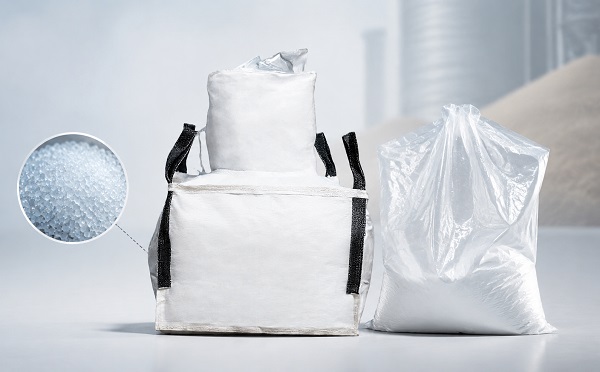
Before deciding whether a PE liner is required, it is important to understand the moisture protection principles of these two common packaging structures.
The first option is a laminated FIBC bulk bag.
A laminated FIBC bag is produced by adding a PP film layer onto the surface of the woven polypropylene fabric. The laminated film acts as an external barrier to reduce moisture penetration from outside the bag.
The main advantage of laminated FIBC bags is their simple structure. Since the moisture barrier is integrated into the outer fabric, no additional inner bag installation is required. This makes filling operations easier and avoids problems such as inner liner slipping, tearing, or interfering with automatic filling equipment.
However, laminated FIBC bags also have limitations. The PP coating layer is relatively thin, and its moisture resistance is mainly suitable for light moisture protection. It can help prevent short-term exposure to humidity but may not be sufficient for long ocean shipments, tropical climates, rainy seasons, or high-humidity warehouses.
During international shipping, temperature differences inside containers can create condensation. In these situations, external PP lamination alone may not completely prevent moisture from reaching the product.
The second solution is an independent PE liner installed inside the FIBC bulk bag.
PE liners are available in different structures, including standard polyethylene liners, heavy-duty moisture barrier PE liners, and vacuum liners. These liners completely surround the material inside the bulk bag and create an additional protective layer.
Compared with PP laminated fabric, polyethylene has better moisture barrier performance. A thick PE liner can effectively protect moisture-sensitive powders from container condensation, humid air, rainwater exposure, and long-term storage in coastal regions.
Even if the outer FIBC bag experiences minor damage, such as abrasion, small holes, or stitching gaps, the internal PE liner can continue to provide protection and reduce the risk of moisture entering the package.
For high-value chemical powders or materials that are extremely sensitive to water, customers may also select advanced barrier liners such as aluminum-plastic composite liners for improved moisture and oxygen resistance.
When combined with Custom FIBC Bulk Bags, PE liner solutions can be designed according to specific material requirements, filling systems, discharge methods, and transportation conditions.
3. When Is a PE Liner Required for FIBC Bags?
Not every FIBC bag requires an internal PE liner.
For some applications, a laminated FIBC bag may already provide sufficient protection, including:
· Short-distance domestic transportation;
· Dry climate storage conditions;
· Materials with low moisture sensitivity;
· Products where slight caking does not affect usage.
However, a PE liner is strongly recommended when any of the following conditions apply:
Highly Moisture-Sensitive Materials
Materials such as melamine, starch, chemical additives, and certain industrial powders can easily absorb moisture. Once moisture enters the package, the material may form hard lumps and affect production performance.
Long-Distance Ocean Transportation
Export shipments often require several weeks of transportation. During ocean freight, temperature changes inside containers can create significant condensation. A PE liner provides an additional moisture barrier to protect the product throughout the journey.
Humid Storage Environments
For shipments to Southeast Asia, coastal areas, tropical regions, or locations with long rainy seasons, humidity levels can be high enough to create product quality risks.
Products Requiring Zero Caking or High Purity
For food ingredients, pharmaceutical raw materials, and high-value chemical powders, maintaining product consistency and cleanliness is often more important than minimizing initial packaging costs.
4. Real Application Example: PE Liners Reduce Ocean Shipping Moisture Risks
We can see the difference between these two packaging solutions through an actual export application.
A melamine manufacturer initially used laminated FIBC bags for shipments to Southeast Asia. The ocean transportation period lasted approximately 25 days, and temperature changes inside containers generated significant condensation.
After arrival, around 30% of the cargo experienced moisture absorption and product caking, resulting in customer complaints and financial losses.
The company later changed its packaging solution to:
Laminated FIBC bag + heavy-duty PE liner
After implementing the double protection structure, the company completed continuous shipments for several months without moisture-related complaints.
This example shows that laminated FIBC bags mainly provide basic protection, while PE liners act as the critical moisture barrier for demanding transportation environments.
5. Additional Benefits of PE Liners Beyond Moisture Protection
Besides moisture resistance, PE liners provide several additional advantages for industrial packaging applications.
Prevent Powder Leakage
Fine powders can escape through tiny gaps in woven fabric, creating dust problems during transportation and handling.
A smooth PE liner prevents powder leakage and helps maintain cleaner production environments.
Improve Hygiene Protection
Because the product does not directly contact the polypropylene fabric, PE liners reduce the risk of fabric fibers mixing into the material.
This makes PE lined FIBC bags suitable for food ingredients, pharmaceutical materials, and other applications requiring higher cleanliness standards.
Reduce External Contamination Risks
During transportation and storage, the outer bag may be exposed to rain, dust, seawater, or oil contamination.
The PE liner provides an additional protection layer to keep the packaged material clean and stable.
6. Are There Any Disadvantages of Using PE Liners?
Although PE liners provide significant protection advantages, buyers should also consider several practical factors.
The first consideration is additional handling.
Standard PE liners may require workers to manually position the liner inside the FIBC bag before filling, which can slightly reduce filling efficiency in highly automated production lines.
The second consideration is cost.
Adding a thicker PE liner increases the packaging cost per unit compared with standard FIBC bags.
The third consideration is unloading performance.
For lightweight and fluffy materials, the product may compress the liner against the bag wall, resulting in a small amount of material remaining inside after discharge.
For automated filling operations, customers can choose customized liner designs such as fixed liners, spouted liners, or specially shaped PE liners to improve efficiency.
7. How to Choose the Right FIBC Packaging Solution?
Selecting the right bulk bag should not be based only on the initial purchase price.
The actual packaging cost should include potential losses caused by:
· Moisture damage;
· Product rejection;
· Ocean freight delays;
· Customer complaints;
· Quality instability.
For moisture-sensitive powders, long-distance exports, humid storage environments, and high-value materials, PE liners are usually the most cost-effective protection solution.
Before selecting a packaging structure, buyers can review How to Choose the Right FIBC Bag to better understand how material type, transportation conditions, safety requirements, and filling methods influence FIBC bag selection.
A PE liner is not required for every FIBC bulk bag application, but it becomes essential when products are sensitive to moisture, transportation periods are long, or environmental humidity is high.
Laminated FIBC bags are suitable for basic moisture protection, while PE lined FIBC bags provide a stronger barrier against humidity, condensation, contamination, and product quality issues.
For chemical powders, food ingredients, agricultural products, and export-grade industrial materials, investing in PE liner protection can significantly reduce moisture-related losses and improve long-term supply reliability.