 Product categories
A Comprehensive Analysis of the FIBC Industry Technology: From Materials to Applications
What is an FIBC?
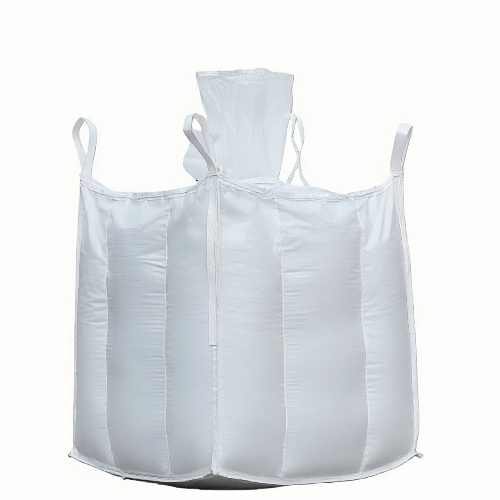
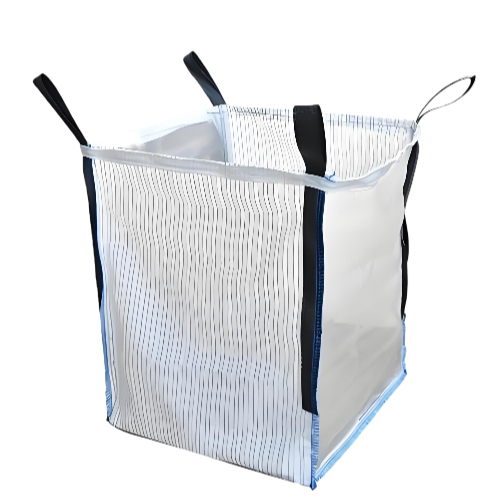
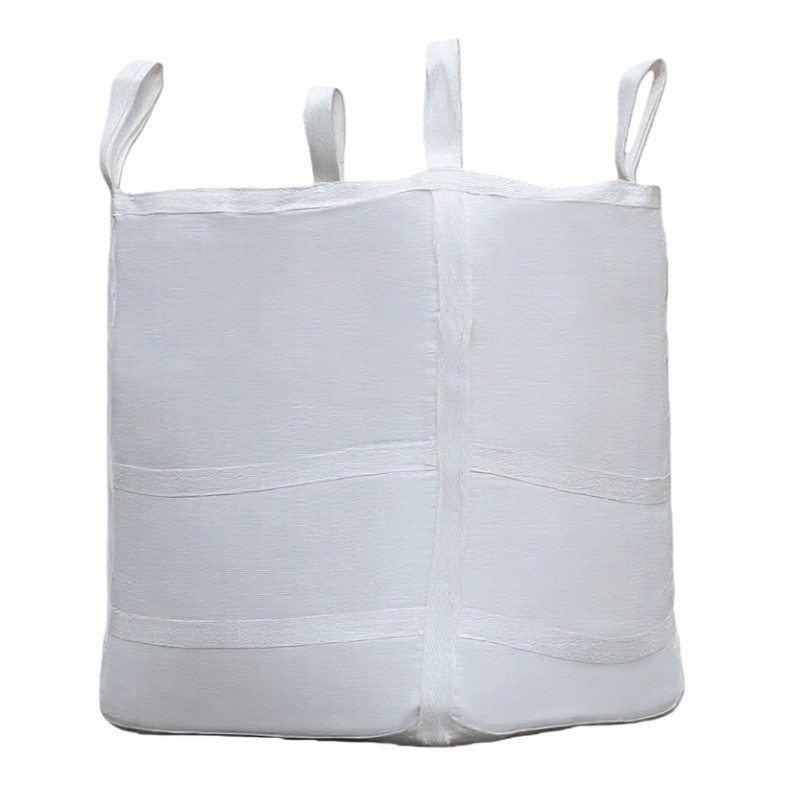
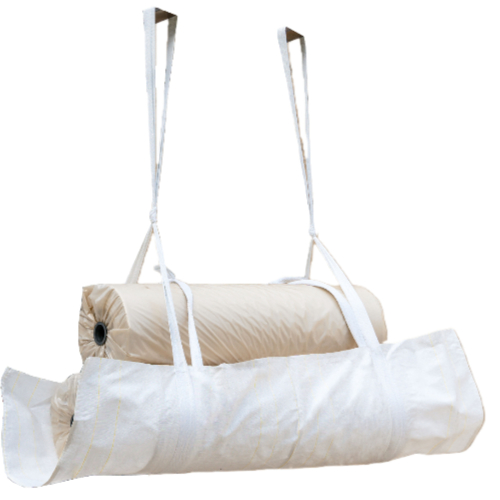
An FIBC (Flexible Intermediate Bulk Container) is a large, flexible bulk container primarily made from raw materials such as polypropylene and polyethylene. It is manufactured through multiple processes including weaving, cutting, and sewing. The typical load capacity ranges from 0.5 to 3 tons.
Core Technology one: Foundational Core Material
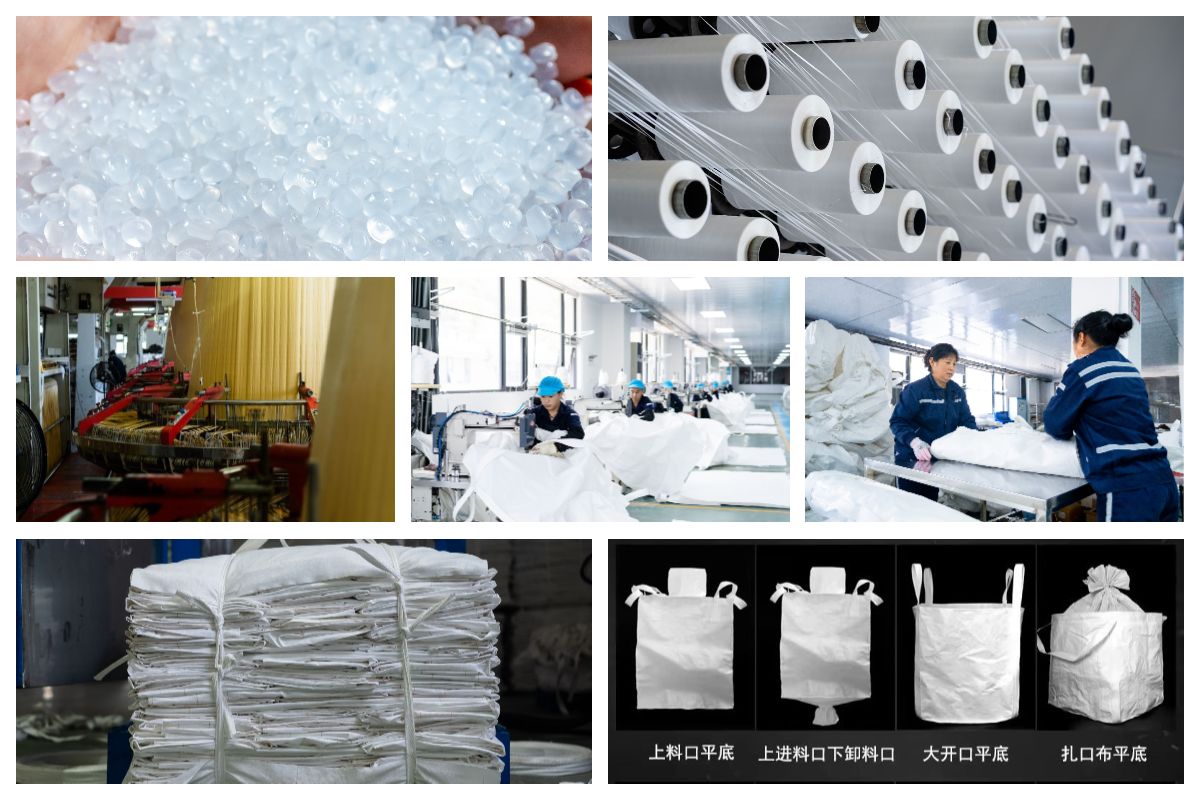
Polypropylene (PP) is the most commonly used foundational raw material for FIBCs. After undergoing processes such as melt extrusion and filament drawing, it exhibits characteristics of high strength and low elongation, while also possessing good resistance to chemicals like acids, alkalis, and salts.
Core Technology Two: Production Process and Quality Control
The production of high-quality FIBCs requires multiple precise processes. The technical control at each step directly affects the safety and reliability of the final product. The core production workflow is as follows:
Raw Material Processing: Flat Yarn Formation is the Foundation
Polypropylene (PP) pellets and other raw materials are melted and extruded, then stretched into flat yarns through specialized molds. The width, thickness, and tensile strength of the flat yarns must be strictly controlled—this is the core prerequisite for ensuring the load-bearing capacity of the FIBC.
Weaving into Fabric: Density Determines Strength
The flat yarns are woven into tubular base fabric on a circular loom. The warp and weft density (the number of flat yarns per unit area) is a critical technical indicator that directly determines the strength and abrasion resistance of the base fabric.
Sewing and Shaping: Details Determine Safety
The sewing process is the core guarantee of the FIBC's safety performance. High-strength polyester thread is used to securely connect the lifting straps to the bag body through techniques like double-thread lockstitch and overlock stitching. The stitch density must comply with standards to ensure even force distribution during lifting.
Quality Inspection: Comprehensive Verification Ensures Safety
Finished products must pass rigorous quality inspections before leaving the factory. Core inspection items include: appearance check (clarity of printing, integrity of stitching), dimensional deviation inspection, and physical performance testing (lifting strap tensile test, top lift test, drop test, leak test), ensuring the safety factor is not less than 1.6.
Technology Development Trends in the FIBC Industry
Driven by the advancement of green manufacturing and intelligent logistics, FIBC industry technology is evolving towards three major upgrade directions: first, environmental sustainability, accelerating the R&D and application of biodegradable plastics and recycled materials; second, customization, developing more targeted functional products (such as high-temperature-resistant and high-barrier FIBCs) to meet special needs in industries like chemicals and electronics; third, intelligence, integrating RFID tags and real-time monitoring technology into designs to achieve end-to-end visibility of cargo transportation status and enhance supply chain efficiency.
FUJIAN DONGBAI PLASTICS TECHNOLOGY CO.,LTD. consistently follows industry technology trends. Through stringent material selection, precise process control, and comprehensive quality inspection, we provide safe and reliable FIBC products for clients across various industries. If you need to learn more about FIBC technical details or customized solutions, please feel free to contact us at any time.

Whatsapp : 8618859351577
Email : export@dbpolyfibcs.com
Tel : +8613376978106
WeChat : +86 13376978106
NO.56, LONGZHU VILLAGE, WANWU TOWN, FU’AN CITY, FUJIAN, CHINA


Leave A Message
Scan to Wechat :

Scan to WhatsApp :